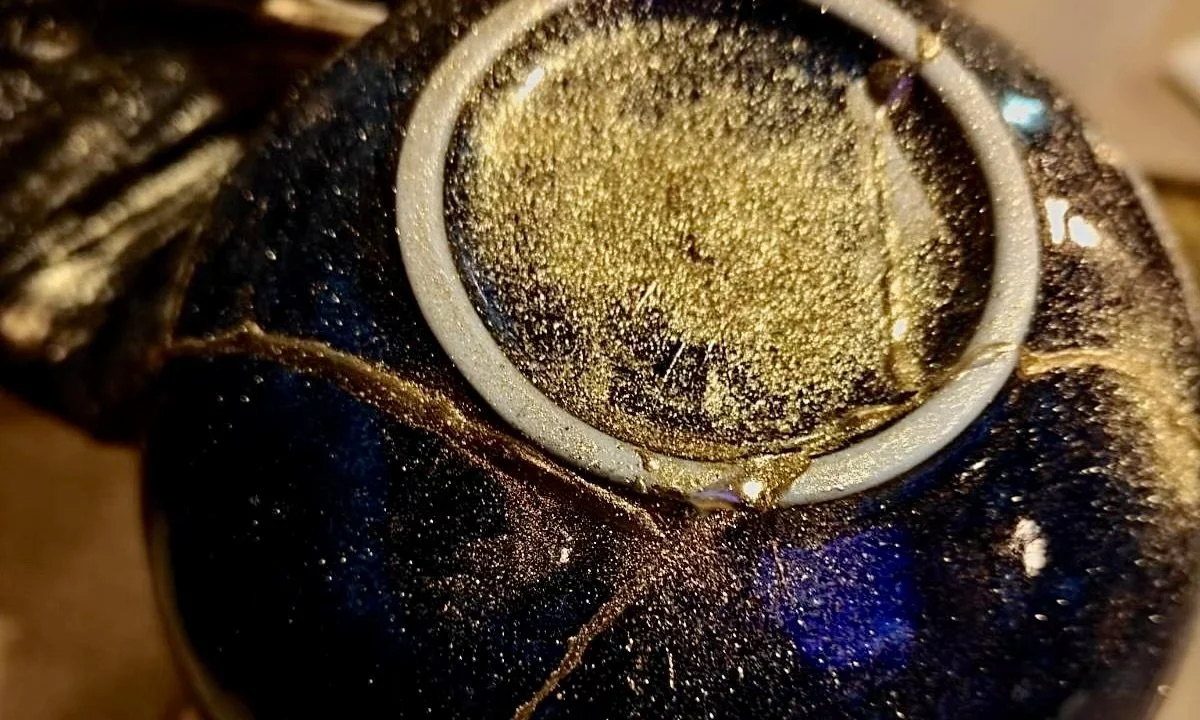
In most cultures, when a dish breaks, it becomes unusable. Its value is diminished, and it is discarded.
However, the Japanese art of Kintsugi sees things differently.
In this article, we explore how the philosophy of Kintsugi can help us rethink what it means to be ‘broken’ and see our cracks not as flaws to be hidden, but as part of our growth.
From an evolutionary perspective, the need to belong has always served a purpose. Throughout our own history and within the animal kingdom, staying with and being accepted by the group/herd provided protection, safety, and a greater chance of survival. Being separated, isolated or exiled increased vulnerability.
As human beings and evolving souls, we all experience adversity. Many of us face trauma, loss, rejection, abuse, or other hardships that leave long-lasting marks. Contrastingly, we are often invested in maintaining pristine images of ourselves, through our social media, relationships and interactions. We do not want to expose our cracks, our shortcomings, or the parts of ourselves we perceive as flawed. We fear judgement, rejection, and ultimately, not being accepted by others.
This conditioning starts very early in life. From the moment we enter this world, we are given a name, a gender, an identity, and gradually, a set of expectations, ideals and dreams from those around us - our peers, family, friends and society shape us. We learn what is considered acceptable, desirable, or “normal”, and which parts of ourselves are welcomed. Unfortunately, the education system can reinforce this further. Those who think creatively, behave differently, or fall outside expected norms can be labelled as “difficult” or “naughty”. I have witnessed the impact of this first-hand through my work with clients and whilst our understanding of neurodiversity and individual differences outside of cultural and societal norms has progressed significantly over the past decade, I believe there is still considerable room for growth.
The Japanese art of Kintsugi offers a powerful and transformative perspective for reflection on this matter. When a piece of pottery breaks, it is not discarded. Instead, the broken pieces are carefully reassembled using gold to fill the cracks. The aim is not to hide the damage or pretend it never happened. Instead, the fractures are highlighted. They take up space, they dance and shimmer in the light, they claim their own value and they are not afraid of being seen.
Similar to cognitive reframing, Kintsugi encourages us to reconsider how we interpret our experiences. A crack, a pothole, an unexpected turn, or a setback in our journey does not have to be the end of our story. A single event does not erase our worth or value. Our sense of worth is not a fixed quantity to be measured or diminished by what happens to us. It is not something we have to earn or prove; our value exists independently of our achievements, experiences, or perceived shortcomings.
We do not need to conceal the more complex aspects of our experiences or distance ourselves from the parts of our story that feel difficult to accept. Instead, we can meet ourselves with greater compassion, acknowledge our cracks, and recognise that being a work in progress is an inherent part of being human.
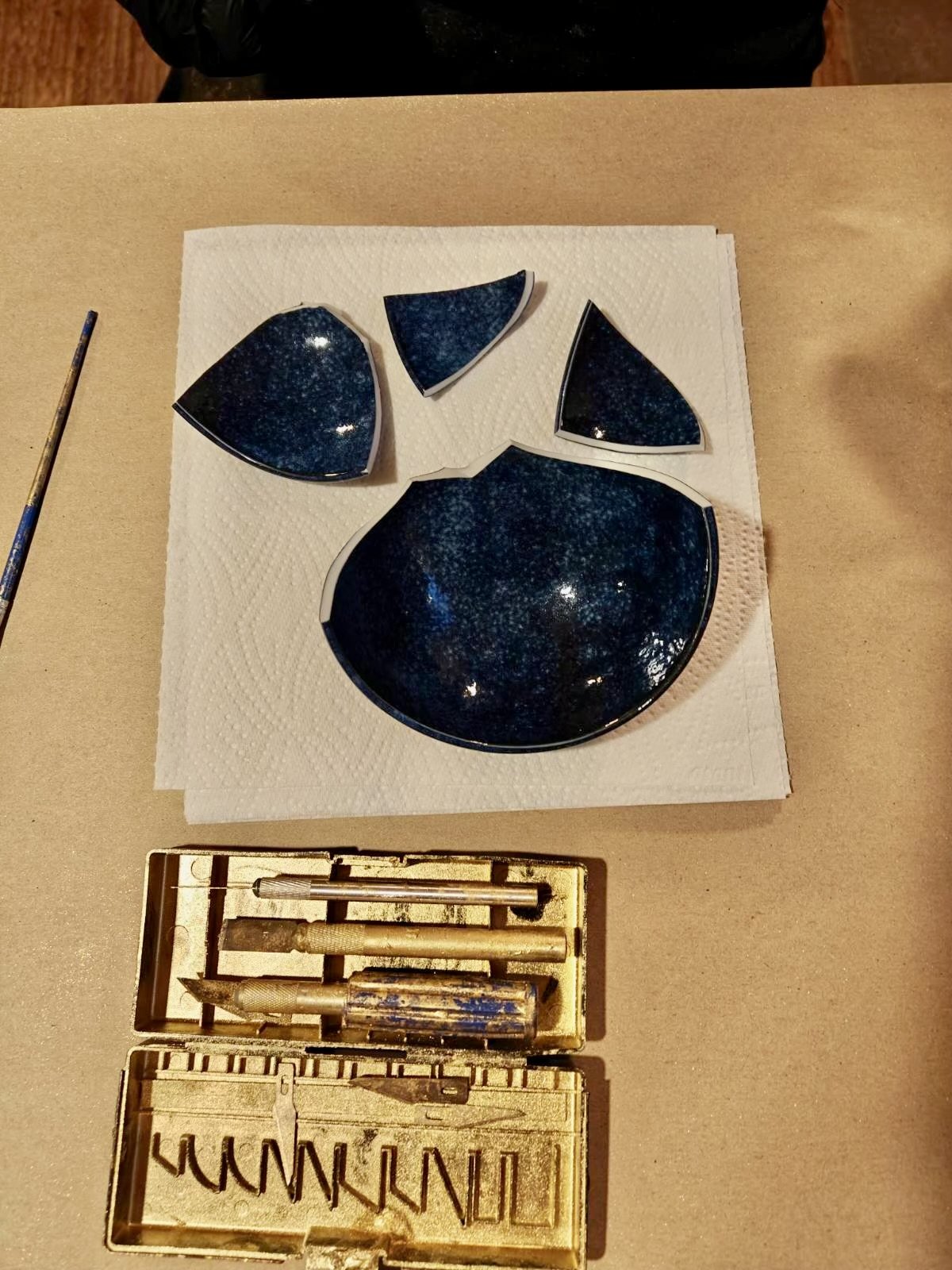
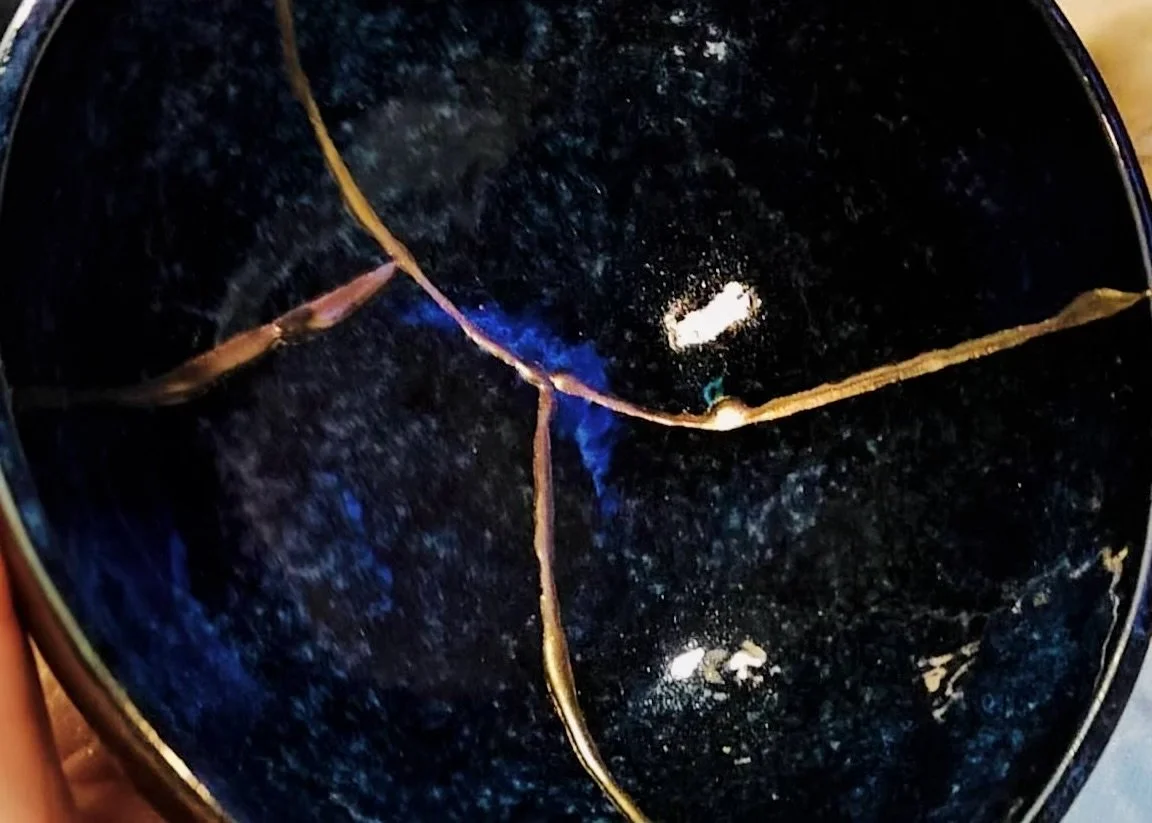
Just like the dish, prior to Kintsugi, we may never look the same again. The broken pieces may never fit together exactly as they did before. Yet without breaking, the dish could never have been transformed into something new. Rejection, loss, betrayal and hurt is painful, but we can shape the meaning we give to those experiences and how we choose to carry them forward. We do have power over our path, even if that simply means the way we reframe a situation in our minds.
When I first heard about Kintsugi, I thought it was such a beautiful practice and knew I wanted to share my reflections on its wider message and the metaphor it offers for our own lives. Perhaps the greatest takeaway is one familiar within psychology: the Circle of Control. We cannot always control what happens to us, but we do have influence over how we respond, the meaning we give to our experiences, and what we choose to do with the pieces.
You are valuable. Your experiences do not diminish your worth, and this world needs you, cracks and all.